
Search
Text Size
Responsible Gambling and Mental Health: How Canadian Bitcoin Casino Players Can Recognize Risk Factors and Protect Their Neurological Well-Being in 2026
Responsible Gambling and Mental Health: How Canadian Bitcoin Casino Players Can Recognize Risk Factors and Protect Their Neurological Well-Being in 2026
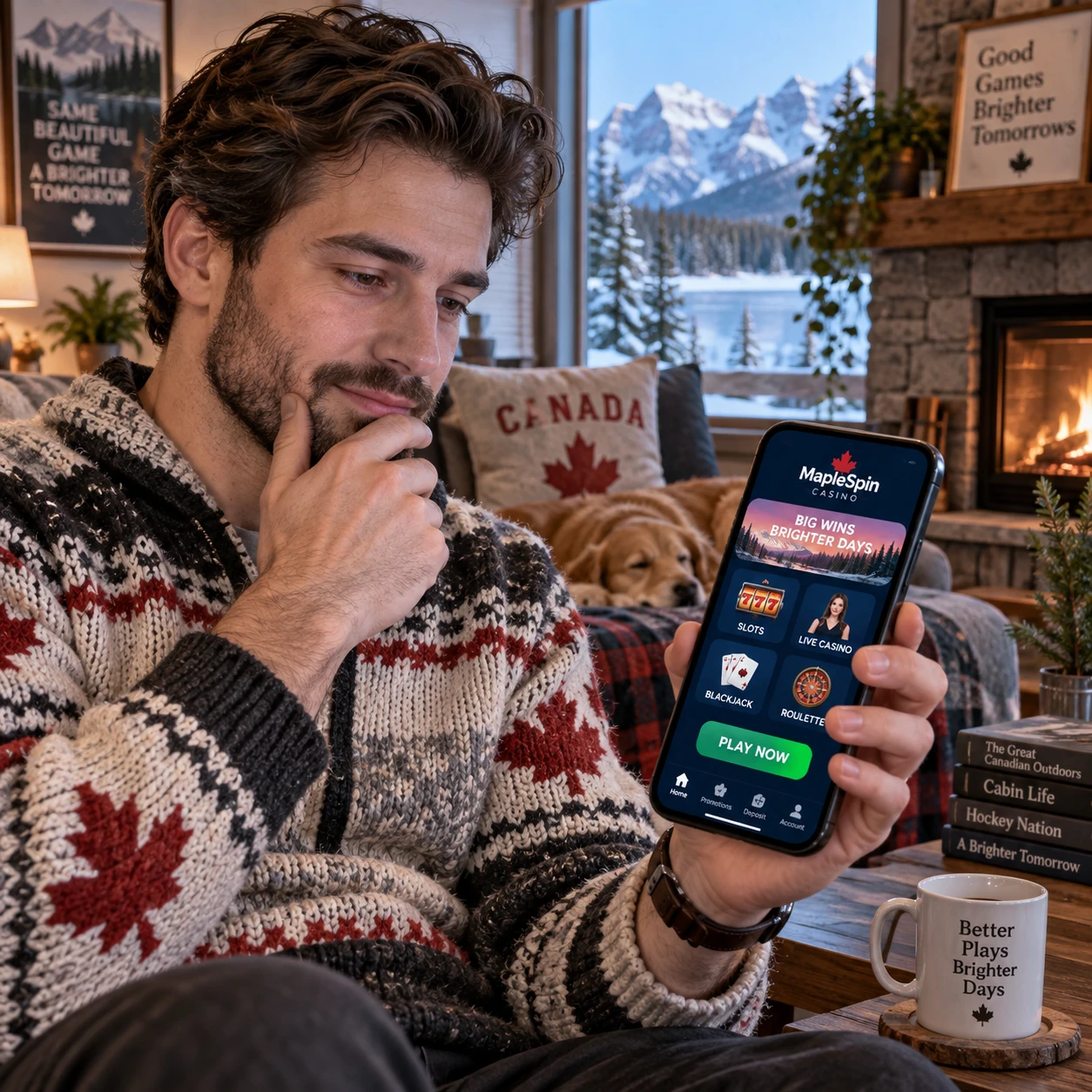
I've spent a lot of time this year talking to Canadian players, reading forum threads, and digging into the research on gambling and brain health. What keeps coming up is this: crypto casinos feel different from traditional online gambling, and that difference matters more than most people realize. In 2026, bitcoin casinos have become a mainstream part of the Canadian gambling landscape, and with that popularity comes a responsibility to understand what's actually happening in our heads when we play.
The Rise of Bitcoin Casinos in Canada and Their Unique Psychological Appeal
Crypto gambling platforms have exploded across Canada over the past couple of years. Part of it is convenience — these sites run 24/7, deposits clear in minutes, and you don't need to wait for a bank transfer to clear before you're back at the tables. Part of it is the appeal of relative anonymity, especially for players who value privacy over the traditional KYC-heavy process of licensed Canadian operators. But I think the bigger story is psychological, not technical.
These platforms are built around speed. Spins happen fast, withdrawals happen fast, and the entire experience is frictionless in a way that older platforms never managed. That frictionlessness is exactly what makes them so appealing — and exactly what makes them worth being cautious about.
Why Crypto Payments Lower Perceived Risk Barriers
When you fund an account with a credit card, there's a moment of friction — you see the number, maybe you hesitate. With Bitcoin or Ethereum, that number is abstracted into a token value that fluctuates and feels less tangible. I've heard players describe losing track of how much they've actually spent because they were thinking in BTC fractions rather than Canadian dollars. This abstraction isn't an accident; it's a known behavioral economics effect, and it quietly erodes the psychological checkpoints that normally slow down spending.
How Gambling Affects the Brain: Neurological Risk Factors to Understand
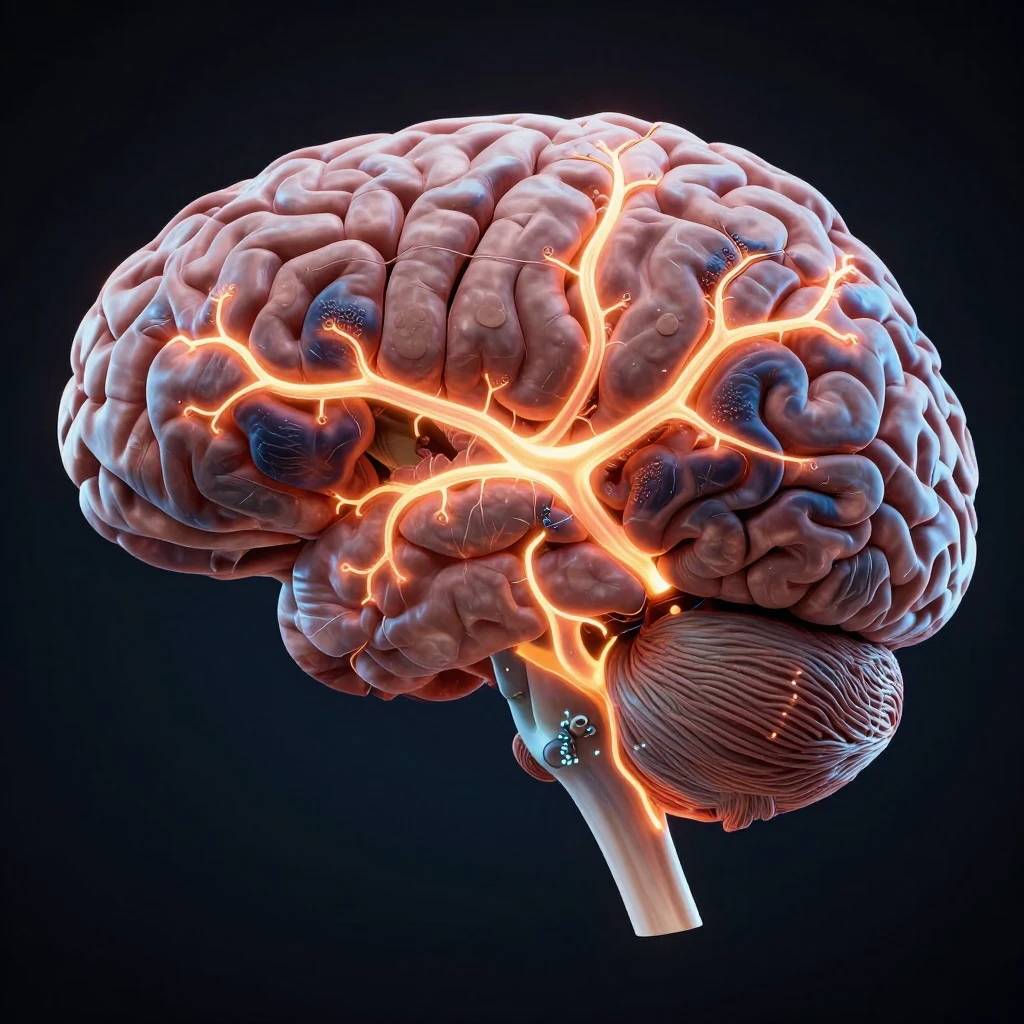
Gambling isn't just a financial activity — it's a neurological one. Every spin, every hand of blackjack, every crash-game multiplier taps directly into the brain's reward circuitry. Understanding this isn't about scaring anyone away from entertainment; it's about recognizing why some sessions feel so hard to walk away from.
The core mechanism involves dopamine, the neurotransmitter associated with anticipation and reward. Repeated exposure to wins and losses — especially unpredictable ones — reshapes how the brain's decision-making pathways respond to risk over time. This is why long-term players sometimes report that games which used to feel exciting now feel almost obligatory, like something they need to do rather than something they want to do.
Dopamine, Reward Loops, and the Near-Miss Effect
One of the most studied phenomena in gambling psychology is the 'near-miss' effect — that moment when two matching symbols line up and the third just barely misses. Research shows the brain registers near-misses almost like wins, triggering a dopamine response that encourages continued play. Fast-paced crypto casino games, with their rapid round times and visually stimulating near-miss animations, are particularly effective at exploiting this mechanism. Variable reward schedules — where you don't know when the next win is coming — are the same principle behind slot machines worldwide, just accelerated by digital design.
Recognizing Early Warning Signs of Problem Gambling
Problem gambling rarely announces itself with a dramatic moment. It builds gradually, and the early signs are often dismissed as 'just a rough week' or 'I'll cut back next month.' From a neurological standpoint, these behaviors often reflect the brain's stress response being chronically activated — cortisol and dopamine interacting in ways that make impulse control progressively harder.
Behavioral and Emotional Red Flags Checklist
- Chasing losses with bigger bets to 'win it back'
- Disrupted sleep patterns tied to late-night gambling sessions
- Irritability or anxiety when unable to access an account
- Secrecy around deposits, withdrawals, or time spent playing
- Using gambling as the primary coping mechanism for stress
- Noticing that wins no longer feel satisfying but losses feel increasingly distressing
If several of these resonate with you, it's worth pausing — not necessarily to stop playing entirely, but to take a honest inventory of how gambling fits into your broader mental health.
Protecting Your Neurological Well-Being While Playing Online
There are concrete, practical steps that help protect cognitive health while still enjoying bitcoin casino games as entertainment. Setting hard budget and time limits before you log in — not after — removes the decision from a moment when your judgment may already be compromised by excitement or frustration. Taking regular cognitive breaks between sessions gives your dopamine system time to reset rather than staying in a constant state of anticipation.
Sleep deprivation and chronic stress are two of the biggest, most underrated contributors to poor impulse control during gambling. A tired brain is a brain with weaker executive function, which is precisely the part responsible for saying 'that's enough for tonight.' If you've noticed your gambling habits shifting alongside poor sleep or heightened stress in other areas of life, that's a signal worth taking seriously.
Anyone concerned about how playing at a bitcoin casino may be affecting their cognitive or emotional state can find specialized neurological insight and support through resources focused specifically on brain health in relation to gambling habits. These kinds of resources are especially useful for Canadian players trying to understand the line between recreational play and patterns that may be quietly reshaping their decision-making circuitry.
Responsible Gambling Tools and Resources for Canadian Players
Canada has a reasonably strong framework for responsible gambling, though crypto platforms occupy something of a gray zone compared to provincially licensed sites. Still, many reputable bitcoin casinos now voluntarily offer tools like deposit limits, loss limits, session reality checks, and cooling-off periods — borrowing directly from the frameworks developed by provincial regulators.
Self-Exclusion Programs and Deposit Limits Across Canadian Provinces
Provinces like Ontario, British Columbia, and Quebec each run their own self-exclusion registries through bodies such as iGaming Ontario and provincial lottery corporations. These programs allow players to voluntarily ban themselves from licensed platforms for set periods. The catch is that crypto casinos operating outside provincial licensing structures aren't always bound by these registries, which means the responsibility often falls more heavily on the individual player to set their own limits, use site-level self-exclusion tools where available, and be honest about when a break is needed.
When and How to Seek Professional Help
Self-management works for a lot of people, but not everyone, and that's okay. If the warning signs from earlier in this article feel like they're describing your life rather than just a bad week, it's time to bring in professional support. Canada offers several free, confidential options:
- The Canadian Centre on Substance Use and Addiction (CCSA) provides resources and referrals
- ConnexOntario (1-866-531-2600) offers 24/7 free counseling for Ontario residents
- Provincial problem gambling helplines exist in nearly every province, often toll-free
- Neuropsychological assessment through a referred specialist can help identify whether gambling has contributed to measurable changes in cognition, attention, or impulse regulation
Reaching out isn't a sign of failure. It's a recognition that the brain's reward system can be genuinely hijacked by design, and professional support exists precisely because this is a common, treatable pattern.
Frequently Asked Questions
Are bitcoin casinos riskier than traditional ones?
Not inherently, but the speed, abstraction of currency, and often lighter regulatory oversight can increase the psychological risk factors that lead to overspending or compulsive play.
Can gambling addiction change brain structure permanently?
Research suggests that chronic gambling can lead to measurable changes in reward-related brain pathways, though many of these changes show improvement with sustained abstinence or reduced play, especially with professional support.
What Canadian support services are free to access?
Provincial helplines, ConnexOntario, and various non-profit gambling support organizations across Canada offer free, confidential counseling regardless of income or insurance status.
Enjoying bitcoin casino entertainment responsibly in 2026 really comes down to awareness — awareness of how these platforms are designed, awareness of your own emotional and financial patterns, and awareness of the neurological mechanisms quietly shaping your decisions session after session. None of this means gambling can't be fun; it means fun and self-awareness aren't mutually exclusive. Recognizing the early warning signs, using the tools available, and reaching out for professional support when needed are the things that protect not just your wallet, but your long-term mental and neurological health.