
Search
Text Size
Struggling with Debt in Canada? Proven Strategies to Pay Off Credit Card Debt in 2026 When You're Broke
Struggling with Debt in Canada? Proven Strategies to Pay Off Credit Card Debt in 2026 When You're Broke
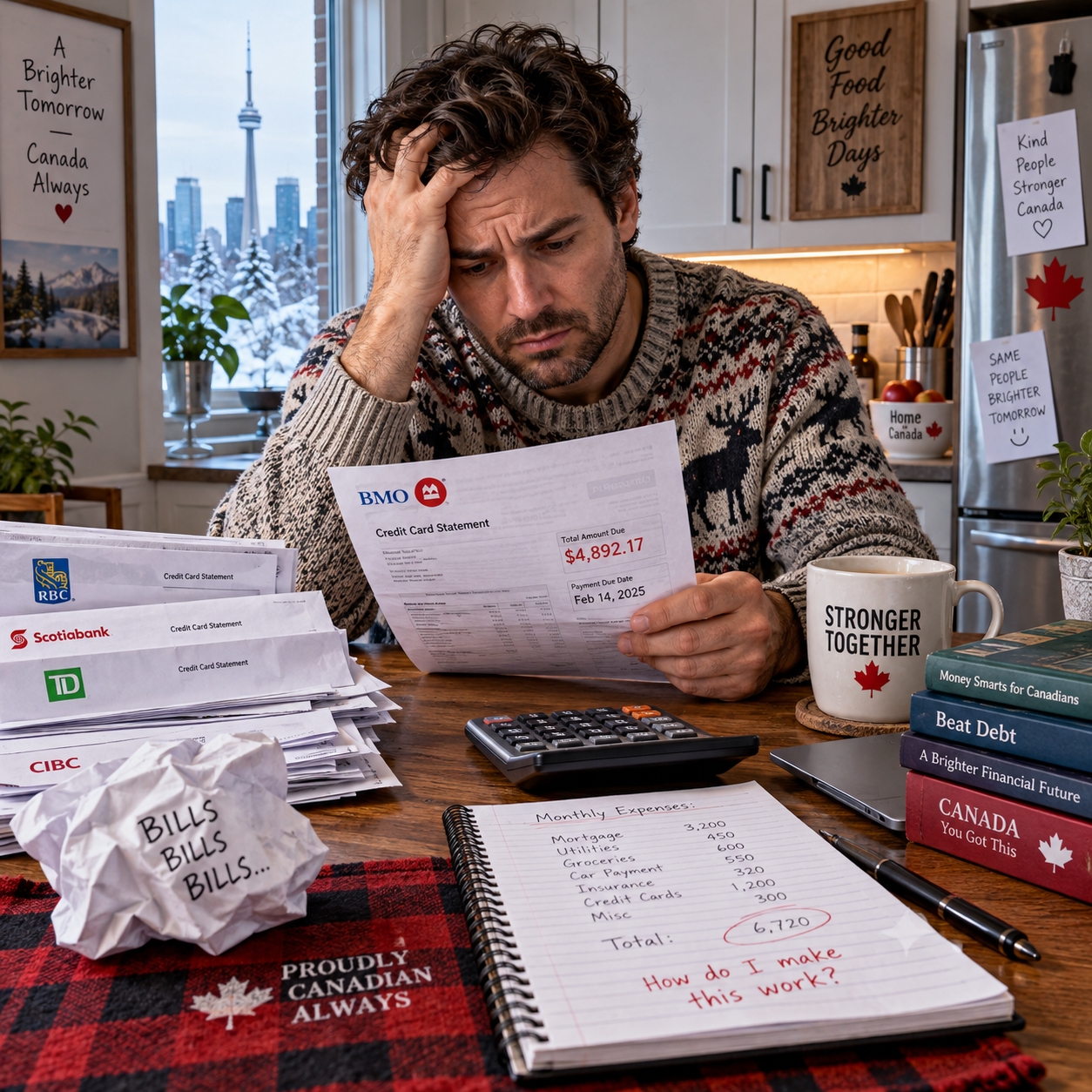
I know that sinking feeling when you check your credit card balance and it's higher than last month, even though you swear you didn't spend much. If you're a Canadian staring down debt in 2026 with barely anything left in your bank account after rent and groceries, you're far from alone. Between rising interest rates, grocery prices that seem to climb every few weeks, and wages that just aren't keeping pace, it feels almost absurd when someone tells you to 'just pay more than the minimum.' Where exactly is that extra money supposed to come from?
Here's the good news: you don't need a windfall or a six-figure salary to start chipping away at credit card debt. What you need is a strategy that actually accounts for having little to no wiggle room in your budget. That's exactly what I want to walk through with you—real, practical approaches that work even when your bank account is running on fumes.
Understanding the Canadian Credit Card Debt Crisis in 2026
Let's be honest about the scale of the problem. Average credit card interest rates in Canada currently sit somewhere between 19% and 24%, and if you're only making minimum payments, a huge chunk of that money goes straight to interest rather than actually reducing what you owe. Combine that with the cost of living increases we've all felt over the past few years, and it's no wonder so many households are carrying balances that seem to never shrink.
There's also an emotional weight to this that doesn't get talked about enough. Debt stress affects sleep, relationships, and even job performance. Many people I've spoken with describe a constant low hum of anxiety, opening credit card statements with dread rather than curiosity. Recognizing that this stress is real—and common—is the first step toward tackling it with a clear head instead of panic.
Why Traditional Advice Doesn't Work When You Have No Extra Cash
Most mainstream financial advice assumes you have some disposable income to redirect toward debt. 'Cut out lattes,' 'cancel your streaming services,' 'put an extra $200 toward your balance each month'—these tips fall flat when you're already stretched thin just covering rent, utilities, and food. If you're broke in the truest sense, you need strategies built for zero or near-zero disposable income, not generic tips designed for someone with room to spare.
Assess Your Debt Situation Before Taking Action
Before you can create a realistic plan, you need to see the full picture. List every credit card you carry a balance on, along with the interest rate, minimum payment, and total owed. It sounds simple, but many Canadians avoid this step because it's uncomfortable. Facing the numbers, though, is what makes them manageable instead of terrifying.
There are several free Canadian budgeting tools that can help, including apps like Mint alternatives, KOHO's built-in budgeting features, or even a basic spreadsheet if you prefer something low-tech. The goal isn't fancy software—it's clarity.
Calculate Your True Financial Picture
Once your debts are listed, build a bare-bones budget. Separate true essentials—housing, utilities, groceries, transportation—from everything else. You might discover small leaks, like unused subscriptions or forgotten memberships, that can be redirected even by a few dollars a month. It won't feel like much, but consistency matters more than size when you're starting from nothing.
Proven Strategies to Pay Off Credit Card Debt With Little to No Money
This is where things get practical. There isn't one single 'right' method, but a few proven approaches consistently help Canadians make progress even on tight budgets.
- Debt snowball method: Pay minimums on all cards except the smallest balance, which you attack aggressively. Once it's gone, roll that payment into the next smallest debt. This builds momentum and motivation quickly.
- Debt avalanche method: Instead of targeting the smallest balance, focus extra payments on the card with the highest interest rate. This saves more money mathematically over time, though it can feel slower emotionally at first.
- Negotiating directly with issuers: Canadian credit card companies sometimes lower interest rates temporarily if you call and explain financial hardship, especially if you've been a long-term customer with decent payment history.
- Balance transfers: Some Canadian cards offer promotional low-interest balance transfer periods. These can help, but read the fine print—transfer fees and rate hikes after the promo period can backfire if you're not careful.
- Using windfalls wisely: A tax refund, GST/HST credit, or even a small work bonus can make a real dent if applied directly to your highest-interest debt rather than absorbed into everyday spending.
If you're in a situation where absolutely none of these options feel realistic because you truly have zero extra cash to work with, it's worth exploring more detailed tactics on how to pay off credit card debt with no money. That guide breaks down step-by-step approaches like leveraging small side income, tapping into community financial assistance programs, and understanding formal debt relief options when you're truly starting from nothing.
Exploring Canadian Debt Relief Options
When debt feels genuinely unmanageable, it's worth knowing that formal relief options exist in Canada. Consumer proposals allow you to negotiate reduced payments through a Licensed Insolvency Trustee, often stopping interest accumulation. Credit counselling services—many accredited through Credit Counselling Canada—offer free consultations and can sometimes negotiate directly with creditors on your behalf. These aren't signs of failure; they're legitimate tools many Canadians use to regain footing.
Building Extra Income Without a Traditional Job
Sometimes the missing piece isn't budgeting harder—it's finding small amounts of extra income to funnel toward debt. Gig economy work through platforms popular across Canadian cities, selling unused items through local marketplace apps, or picking up short-term freelance tasks online can generate modest but meaningful cash. Even $50 extra a month applied consistently to your highest-interest card adds up faster than you'd expect.
It's also worth double-checking that you're receiving all government benefits you qualify for, including provincial supplements or federal credits you might be missing simply because you haven't filed recent taxes or updated your information.
Common Mistakes to Avoid When Tackling Debt on a Tight Budget
- Taking out new credit or loans to pay off existing credit card debt, which often just shifts the problem rather than solving it.
- Ignoring collection calls instead of negotiating—creditors are often more flexible than people expect if you communicate proactively.
- Overlooking free, accredited credit counselling services out of pride or embarrassment.
- Failing to track progress, which leads to discouragement and abandoning the plan altogether.
Staying Motivated and Avoiding Future Debt
Progress on debt repayment is rarely linear, and motivation naturally dips. Celebrate small wins—paying off even one card, however small, is worth acknowledging. Once your debt starts shrinking, consider building a tiny emergency fund, even just $10 a week set aside separately. This buffer helps prevent future emergencies from landing right back on a credit card.
Becoming debt-free in Canada in 2026, even when you're broke, isn't about finding one magic solution—it's about stacking small, strategic actions consistently over time. Whether that means calling your credit card issuer today to ask about a lower rate, booking a free session with a credit counselling service, or simply sitting down tonight to list out everything you owe, the first step matters most. You don't need extra money to start—you need a clear plan and the willingness to take that first uncomfortable but necessary action.