
Search
Text Size
How Canadians Are Using Bitcoin for Online Gambling in 2026: A Complete Guide to Choosing a Safe and Reputable Bitcoin Casino
How Canadians Are Using Bitcoin for Online Gambling in 2026: A Complete Guide to Choosing a Safe and Reputable Bitcoin Casino

I've talked to a lot of fellow Canadian players this past year, and one thing keeps coming up over and over: more of us are depositing with Bitcoin than ever before. Honestly, it's not hard to see why. Frustrating bank holds, awkward phone calls with credit card companies about 'high-risk merchant' flags, currency conversion fees that nibble away at your bankroll — crypto started looking like the obvious workaround for a lot of people I know. By 2026, this isn't some niche curiosity anymore. It's a full-blown shift. So let me walk you through what's actually driving it, and more importantly, how to pick a platform that won't leave you regretting the moment you hit 'send.'
Why Canadian Players Are Turning to Bitcoin for Online Gambling
This isn't just about being trendy with crypto. Canadian players have real, practical reasons for making the switch. Bitcoin deposits typically clear in minutes rather than the days some bank transfers eat up — and that matters when you're trying to catch a live dealer table or get a bet in before puck drop. There's also the privacy angle. Your bank statement doesn't need a line item for every wager you place, and a surprising number of Canadians care about that more than they'll admit out loud.
Banking restrictions play a role too. Several major Canadian banks still flag or outright block transactions to gambling merchants, even when the activity itself is perfectly legal. Bitcoin sidesteps that friction entirely. And because crypto isn't tied to the Canadian dollar, players skip the awkward conversion fees that come with funding an account in USD or EUR, which plenty of offshore casinos still default to.
The Current Legal Landscape in Canada
Gambling regulation here is, well, a patchwork — there's no cleaner way to put it. Each province sets its own rules, and only a handful have built out full frameworks for licensed online operators. Ontario is the most prominent example, with its regulated iGaming market. Outside of that, most Canadians who gamble online do so through internationally licensed sites, usually holding licenses from places like Curaçao, Malta, or the Isle of Man. Crypto casinos largely fall into this offshore bucket. That's not automatically a problem, but it does mean the due diligence lands on you, not some provincial regulator watching your back.
How Bitcoin Transactions Work at Online Casinos
If you've never used crypto for gambling, the process is way less intimidating than it sounds. First, you need a wallet — a mobile app works fine, or go with something more secure like a hardware device if you're holding bigger amounts. Then you buy Bitcoin through a Canadian exchange such as Bitbuy, Shakepay, or NDAX. All three support Interac e-Transfer, so converting CAD to BTC is pretty painless.
Once that Bitcoin is sitting in your wallet, depositing at a casino is just copying the wallet address (or scanning a QR code) and sending whatever amount you want to play with. Withdrawals run the same way in reverse — you request a payout, hand over your wallet address, and the casino sends BTC back. From there you can hold it, trade it, or convert it back to CAD through your exchange.
Transaction Speed and Fees Compared to Traditional Methods
This is where Bitcoin genuinely earns its keep for Canadian players. Interac e-Transfer deposits are quick going in, sure, but withdrawals through traditional banking can take three to five business days — sometimes longer if a casino's payment processor is backed up. Credit cards often tack on cash advance fees when you use them for gambling, and e-wallets like Skrill or Neteller aren't shy about withdrawal fees either, the kind that quietly eat into your winnings.
Bitcoin transactions, by comparison, usually confirm within 10 to 60 minutes depending on network congestion. Fast. Really fast, most days. Casino-side processing fees are often lower too, sometimes waived entirely as an incentive to use crypto. The catch? Network fees fluctuate with Bitcoin's overall transaction volume, so check current fees before sending a large deposit — I've learned that one the slightly expensive way.
Key Factors in Choosing a Safe and Reputable Bitcoin Casino
This is the part I really want you to pay attention to, because it's where most people get burned. Not every site that accepts crypto deserves your trust just because the deposit process feels smooth. Start by verifying the casino's license — it should be clearly displayed, not buried three clicks deep in fine print, and ideally from a recognized authority with a public register you can actually cross-check yourself.
Look for provably fair technology on at least the slots and crypto-exclusive games. This cryptographic system lets you verify game outcomes weren't manipulated — a feature traditional casinos simply can't offer in the same transparent way. SSL encryption is non-negotiable, full stop. And the terms and conditions should read like plain language, not vague legalese designed to confuse you later when you're trying to cash out.
Payout history matters more than marketing claims ever will. Search forums, Reddit threads, independent review sites — see whether a casino actually pays out promptly or has a pattern of delays and shifting excuses. For Canadian players seeking a vetted, secure option, platforms like bitcoin casino demonstrate the kind of licensing transparency and security protocols worth prioritizing when you're sizing up any crypto gambling site.
Red Flags to Watch For
- No visible or verifiable gambling license on the site
- Customer support that's unreachable or only responds via a single, slow email channel
- Withdrawal delays with shifting or unclear explanations
- Bonus terms with vague or extremely high wagering requirements buried in separate pages
- No mention of responsible gambling tools or self-exclusion options
Popular Game Types Canadians Play with Bitcoin
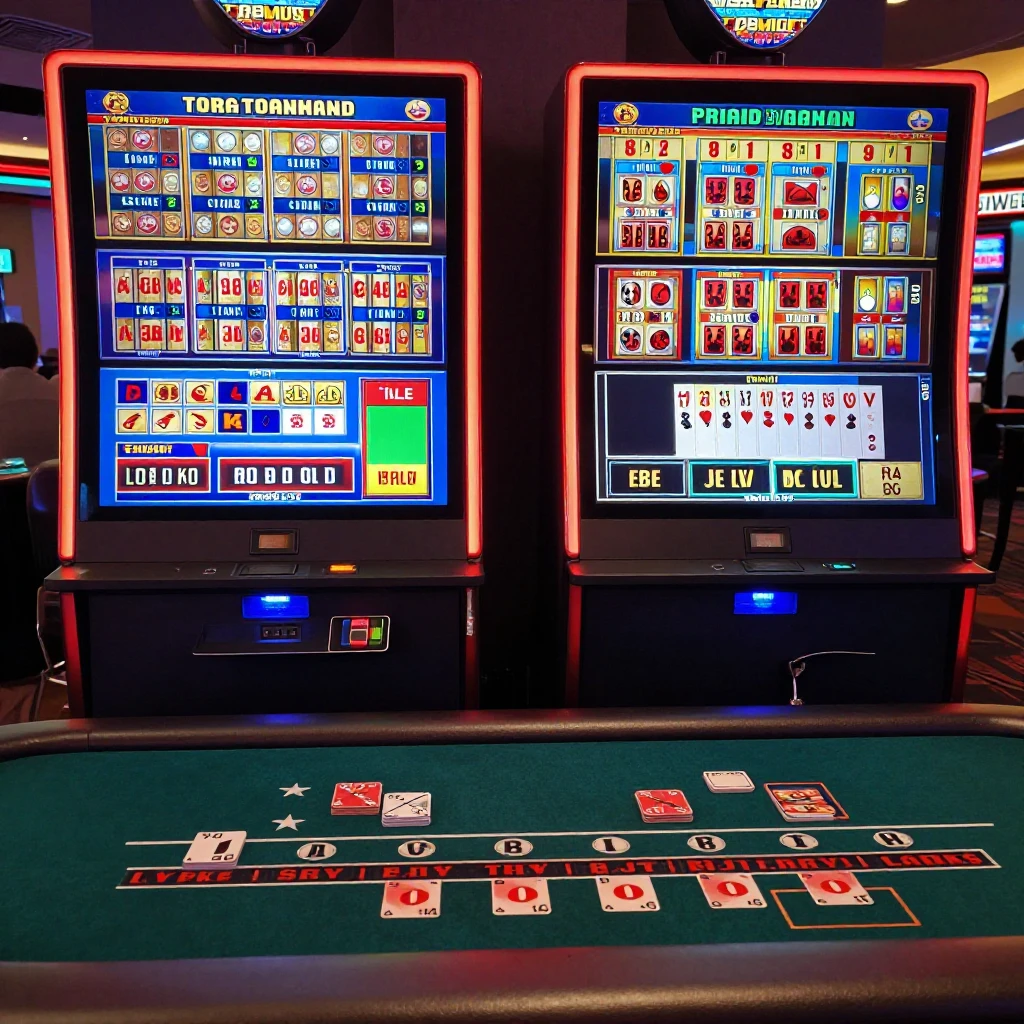
Slots remain the most popular category by a wide margin — especially crypto-themed titles that lean hard into the Bitcoin aesthetic with volatile, high-RTP mechanics. Live dealer tables come in a close second. Canadians seem to genuinely love the real-time blackjack and roulette experience, probably because it feels closer to an actual casino floor than some digital RNG game ever could.
Sports betting funded with Bitcoin has grown a lot too, especially around hockey season when bettors want fast deposits before puck drop — no surprise there. Beyond that, there's a smaller but dedicated crowd playing crypto-exclusive games like dice and crash games. These were essentially built for Bitcoin from the ground up, and you'll rarely see them on traditional fiat casinos at all.
Responsible Gambling and Security Best Practices
Playing with crypto adds a layer of responsibility that traditional banking methods sometimes handle for you by default — crypto doesn't do that hand-holding. Set deposit limits directly through the casino's account settings. Consider storing the bulk of your Bitcoin in a hardware wallet rather than leaving large amounts sitting in a hot wallet connected to the internet. And enable two-factor authentication everywhere: your exchange, your wallet, your casino account. All of it.
If gambling starts to feel less like entertainment and more like a compulsion, Canadian resources exist, and they're genuinely helpful. ConnexOntario offers free, confidential support, and most provinces run their own responsible gambling programs with self-exclusion tools and counseling referrals. There's no shame in reaching out. I'd rather see someone take a break than chase a loss into a place that's bad for them financially or emotionally.
Common Mistakes Canadian Bitcoin Gamblers Should Avoid
One of the biggest mistakes I keep seeing: skipping KYC (know-your-customer) verification entirely by choosing sites that don't require it. Feels convenient upfront, sure. But it usually signals weak regulatory oversight, and it can cause real headaches when you try to withdraw a big win later. Another common pitfall — chasing losses while Bitcoin's price is swinging. A losing session feels even worse when the BTC you deposited was also dropping in value at the exact same time.
Using unregulated or sketchy exchanges to buy your Bitcoin in the first place is another one worth avoiding. Stick to established Canadian platforms with proper compliance behind them. And don't skip reading bonus terms, ever. Wagering requirements on crypto bonuses can be steeper than fiat equivalents, and missing that detail has cost more than a few players their entire deposit.
Bitcoin has genuinely changed how Canadians gamble online — speed, privacy, and freedom from banking restrictions that traditional methods just can't match. But none of that convenience matters much if you're playing on a platform that isn't licensed, transparent, or secure. Take the time to verify licensing, actually read the fine print, and set your own limits before you deposit. Your bankroll, and honestly your peace of mind, will thank you for it.